Buying an EV Car? Calculate the Right Solar System First

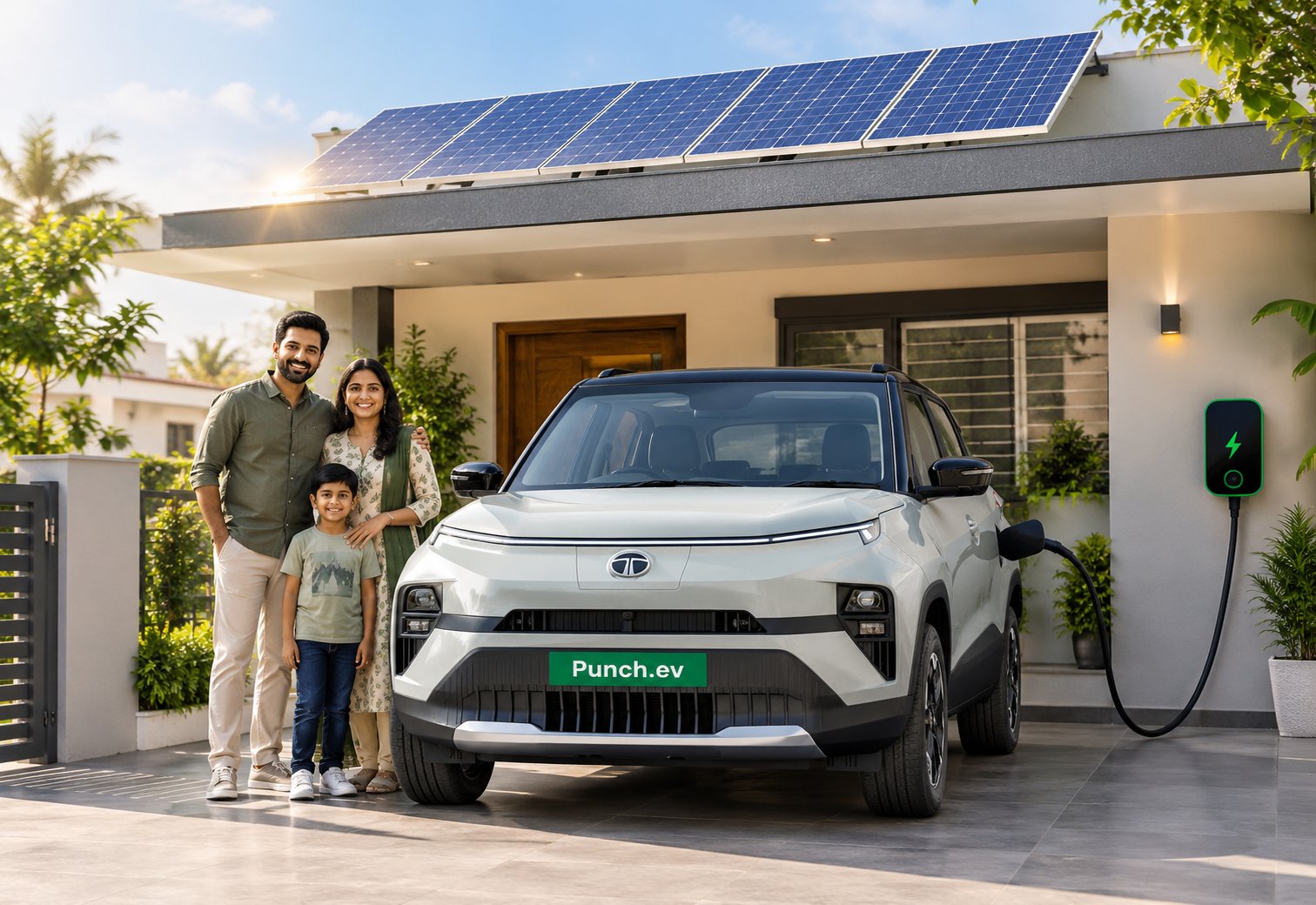
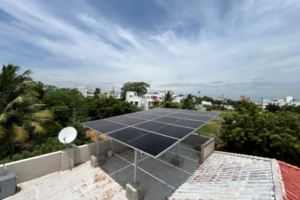
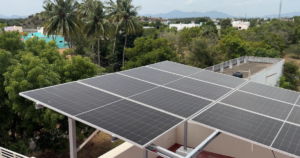
Rooftop solar panels powering an electric car charging at home

When Your Electricity Bill Tells You Something Has Changed

Ramesh, a homeowner in Erode, bought a Tata Nexon EV last year mainly to cut down his monthly fuel expense. For the first two months, he was thrilled. No more visits to the petrol bunk, no more waiting in traffic wondering if the tank would last till Friday. Then his EB bill arrived — and it was almost double what he used to pay.

He wasn’t alone. This is one of the most common conversations we have with homeowners who come to us after buying an EV. The car saves them money on fuel, but it quietly shifts that cost onto their electricity bill instead. And that’s when the question comes up: can rooftop solar handle both the house and the EV together?

The honest answer is — yes, in most cases, but only if the solar system is sized correctly. And sizing it correctly is where most people go wrong, because they assume the EV model alone tells them what they need.

Buying an EV Changes Your Home's Electricity Consumption

Before an EV enters the picture, a typical home’s electricity usage is fairly predictable — lights, fans, a refrigerator, maybe an AC or two, a washing machine. Once charging is added to that mix, the load pattern changes in a way most homeowners don’t anticipate.


At first, many homeowners calculate solar based only on their house electricity usage.

But after buying an EV, the calculation changes, because now there’s a new appliance in the house — except this one draws far more power than anything else, and it draws it for several continuous hours.


This isn’t a small addition. Depending on the car and how often it’s charged, an EV can add anywhere from 30% to over 100% to a household’s monthly consumption. That’s a big enough shift that the old solar sizing logic — “we’ll just add a couple of panels” — usually doesn’t hold up.

How Much Electricity Does an EV Actually Use?

This is the part that surprises people the most. EV owners often think in terms of battery size — “my car has a 40 kWh battery” — without realising that battery capacity is only part of the story.

What actually matters for solar sizing is how much energy you’re pulling from the grid (or from your solar system) to charge that battery regularly, and how often you’re doing it.

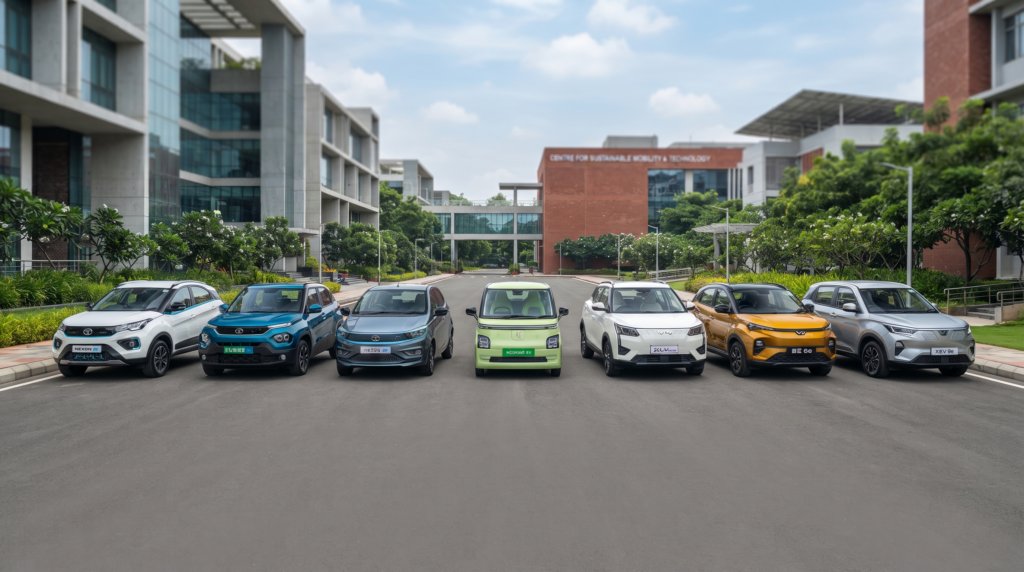
Here are a few Indian EVs as reference points, treating these battery figures as approximate since variants can differ:


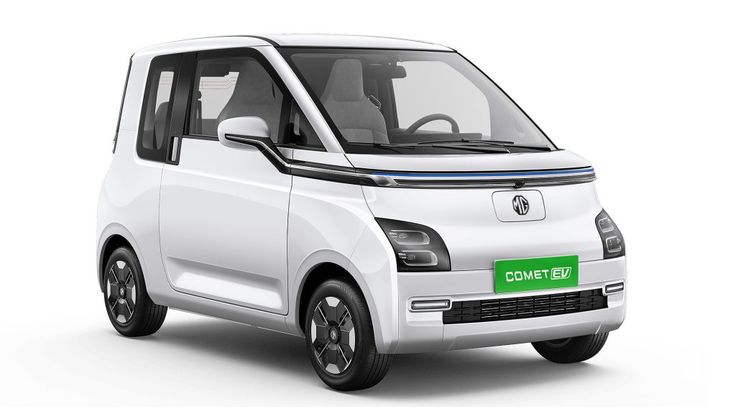
  • MG Comet EV – around 17.3 kWh
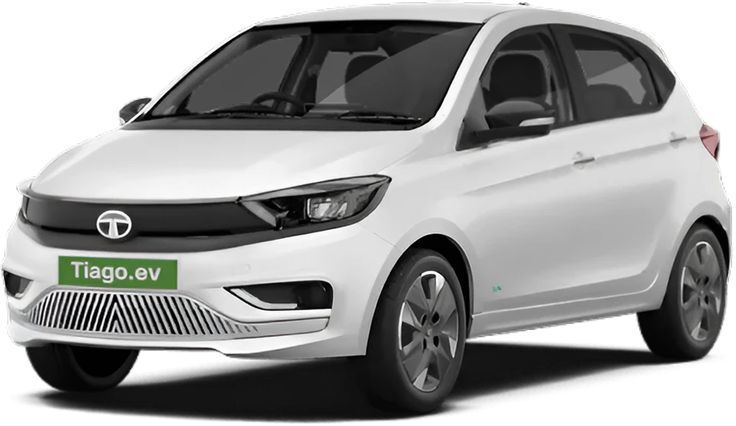
  • Tata Tiago EV – around 24 kWh
  • Tata Punch EV – around 35 kWh
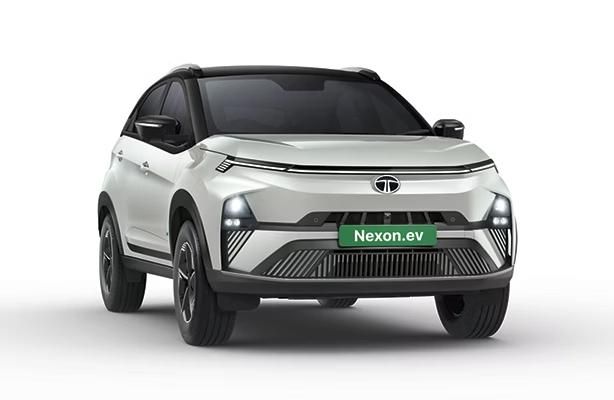
  • Tata Nexon EV – around 46 kWh
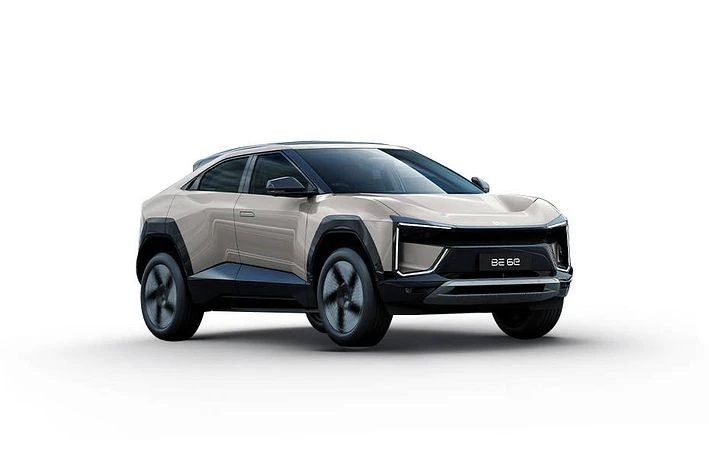
  • Mahindra BE 6 – around 79 kWh
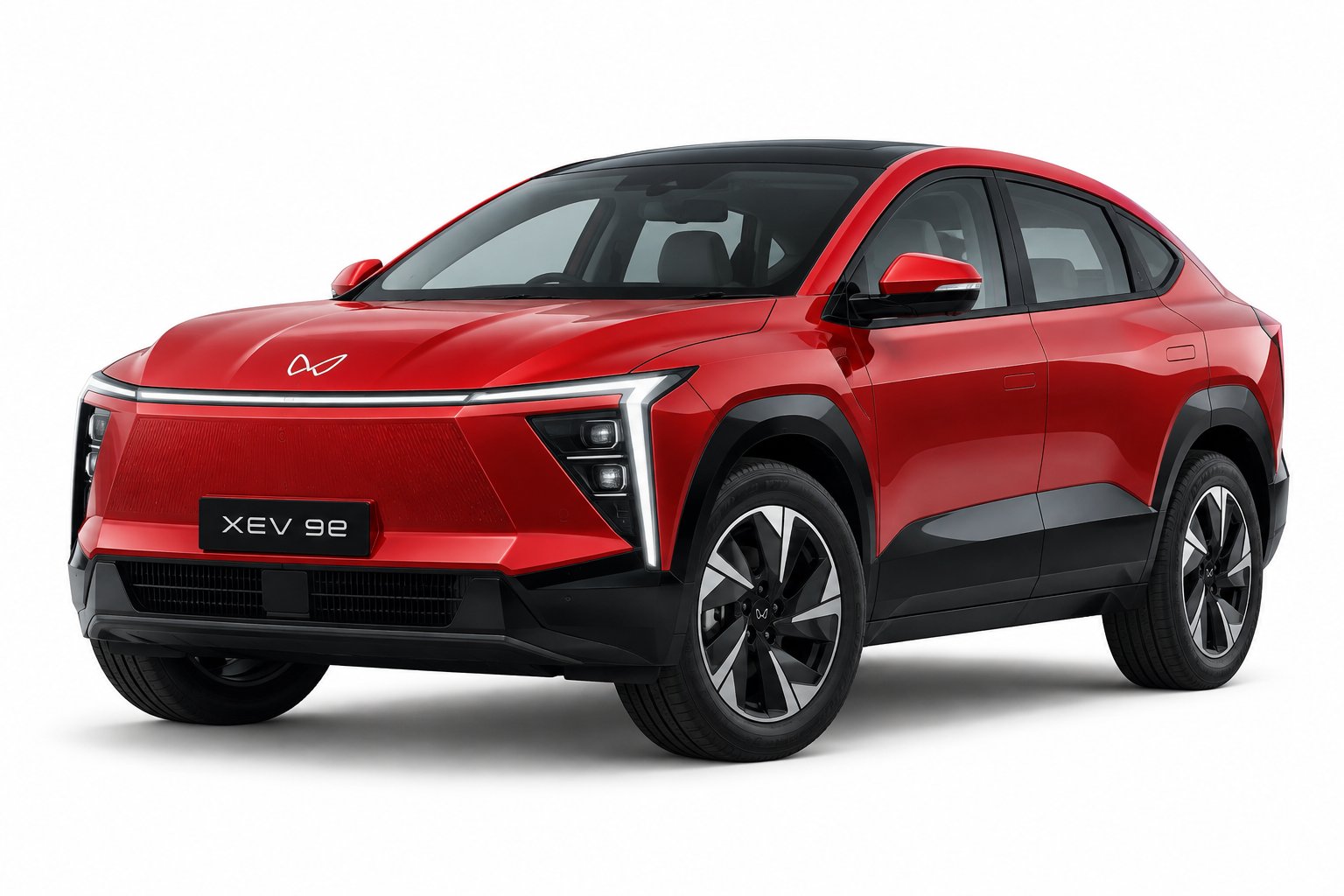
  • Mahindra XEV 9e – around 79 kWh

A car with a 24 kWh battery that’s charged daily behaves very differently, electricity-wise, than a car with a 79 kWh battery charged twice a week. Charging losses, driving style, terrain, AC usage inside the car, and even weather all affect how much power actually goes into the battery versus how much you draw from the wall. So two owners of the same model can end up with noticeably different monthly consumption.

Why Your EV Model Alone Cannot Decide Your Solar Size

What is the 3kW solar price Erode after the government subsidy?

This is probably the most important point in this entire article, so it’s worth saying plainly: the EV model is not the only input. It’s one of several.

One common mistake we see is a homeowner asking, “I have a Nexon EV, how many kW solar do I need?” — expecting a single fixed number. But solar sizing for EV charging depends on:


  • Your existing EB bill and monthly household consumption
  • Daily driving distance (a car driven 20 km a day needs far less charging than one driven 100 km a day)
  • Battery capacity of the EV
  • How often you charge — daily top-ups versus occasional full charges
  • Whether you charge during the day or at night
  • Other home appliances, especially AC units
  • Whether you’re planning to add a second EV in future
  • Available roof space and shadow-free area
  • Your sanctioned electrical load
  • Local net-metering rules

Two neighbours with the same car, same battery, same daily commute can still end up needing different solar capacities simply because one has an AC running most of the day and the other doesn’t.

How to Calculate Solar Requirements for an EV

Rooftop solar panels powering an electric car charging at home

The starting point is usually daily driving distance combined with the car’s real-world energy consumption per kilometre. From there, you can estimate the daily energy required for charging, then work backwards to a solar capacity that can realistically cover the house plus the car — keeping in mind that solar generation isn’t available around the clock.

MG Comet EV

Being a small city car with a compact battery, home charging needs are relatively light. Depending on household consumption and how often the car is driven, a solar system in the range of roughly

EV solar system and rooftop solar for electric cars in India Planning solar for your EV? Understand how your electric car and home electricity usage affect solar system sizing.


Tata Tiago EV

With a slightly larger battery than the Comet, and typical urban commuting patterns, homeowners often look at around 3 kW as a reference point, again depending on the rest of the household load.

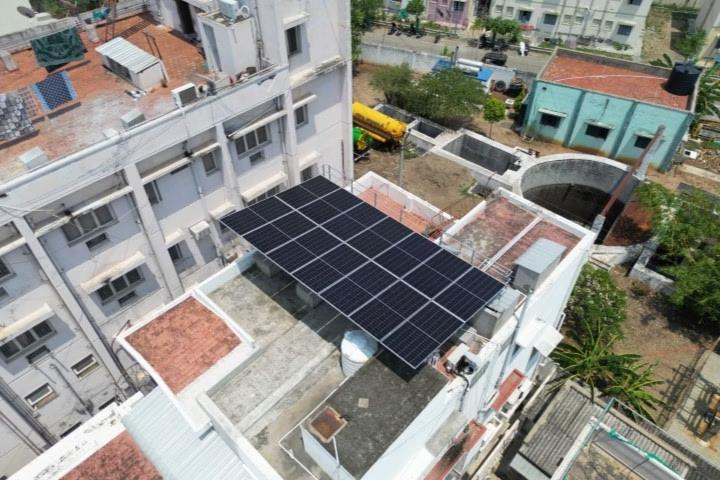
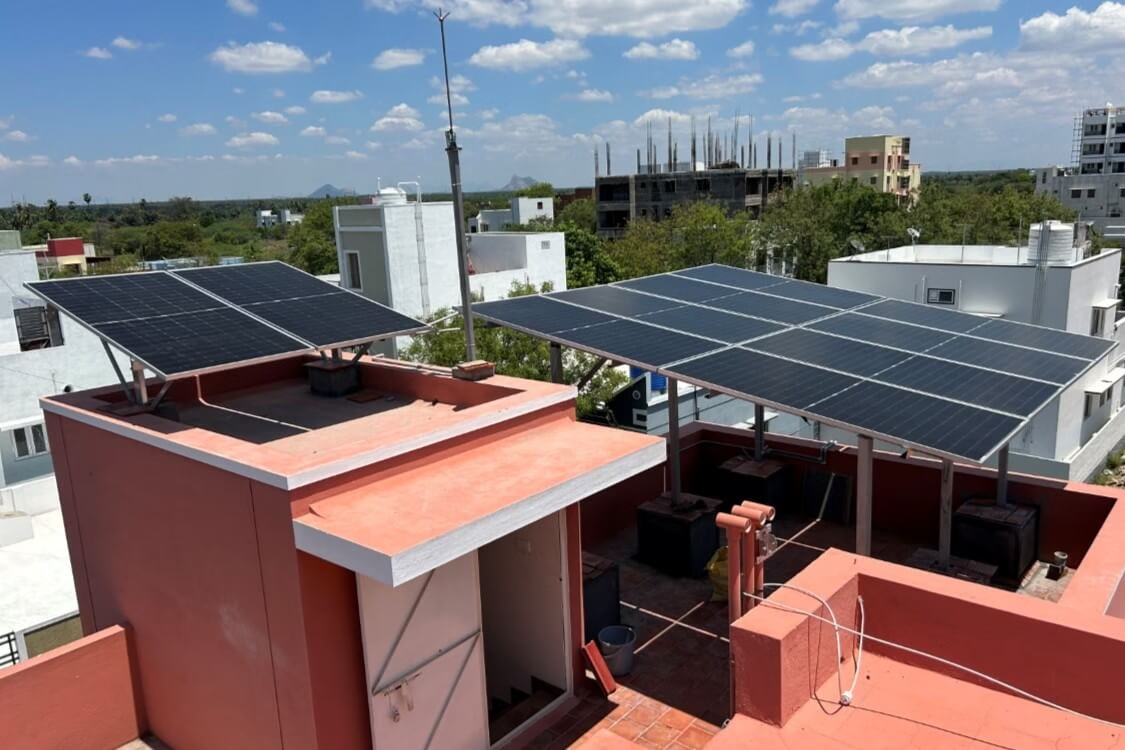
Rooftop solar panels installed on an Indian home used for both household electricity and EV charging

Tata Punch EV

This is a step up in battery size, and depending on driving distance and how frequently it’s charged, the conversation usually moves into the 3–5 kW range.


EV solar system and rooftop solar for electric cars in India

Tata Nexon EV

Being one of the more popular family EVs with a larger battery, Nexon owners often end up somewhere between 5–10 kW, particularly if the household also runs an AC or has more than one EV-charging cycle a week.

Rooftop solar panels powering an electric car charging at home

Mahindra BE 6

Being one of the more popular family EVs with a larger battery, Nexon owners often end up somewhere between 5–10 kW, particularly if the household also runs an AC or has more than one EV-charging cycle a week.

Rooftop solar can help offset the electricity used for home EV charging.

Rooftop solar panels powering an electric car charging at home 

Mahindra XEV 9e

Being one of the more popular family EVs with a larger battery, Nexon owners often end up somewhere between 5–10 kW, particularly if the household also runs an AC or has more than one EV-charging cycle a week.

Rooftop solar can help offset the electricity used for home EV charging.

Rooftop solar panels powering an electric car charging at home 

Should You Charge Your EV During the Day or at Night?

This question comes up in almost every EV + solar conversation we have. And the answer genuinely depends on your situation.

If you charge during the day, while the sun is up, your solar system can directly power the charging — this is usually the most efficient way to use solar for EV charging, since you’re consuming what you’re generating in real time.

If your commute pattern means the car is out during the day and only available to charge at night, then the solar system isn’t directly charging the car.

Instead, it’s offsetting your daytime household consumption, and depending on your net-metering arrangement with TANGEDCO/TNPDCL, exported daytime solar units can help balance out the electricity drawn at night for charging.

Neither pattern is wrong — but it does change how the system should be planned, and it’s a conversation worth having honestly during a site visit rather than assuming.

Rooftop solar panels powering an electric car charging at home


5 Things to Check Before Installing Solar for an EV

  1. Your last 6–12 months of EB bills — this tells the real consumption story, not just an estimate.
  2. Your actual daily/weekly driving distance — not the car’s claimed range, but how you actually use it.
  3. Roof space and shadow-free area — larger systems need more physical space, and shading from neighbouring buildings or trees matters.
  4. Sanctioned load and wiring — your existing electrical connection needs to support both the home and EV charging comfortably
  5. Net-metering process with your local electricity board — this affects how exported solar units are accounted for.
8kw pm surya ghar subsidy solar project erode
5kw rooftop solar

How Much Solar Do You Need for Your Home + EV?

  • Rather than treating “house electricity” and “EV electricity” as two separate calculations, it helps to look at them together as one combined monthly consumption figure, and then size the solar system against that total.

    A rough way to think about it:

  • take your average EB bill from before the EV, add your estimated monthly EV charging units, and use that combined figure as the baseline for solar sizing — while still accounting for available roof area and sanctioned load. This is exactly the kind of estimation that benefits from an actual site assessment rather than a phone conversation.

EV ModelApprox. Battery CapacityIllustrative Solar Range*
MG Comet EV17.3 kWh2–3 kW
Tata Tiago EV24 kWh3 kW
Tata Punch EV35 kWh3–5 kW
Tata Nexon EV46 kWh5–10 kW
Mahindra BE 679 kWh8–10 kW
Mahindra XEV 9e79 kWh8–10 kW

How much does it cost in Erode? (2026 Update)

Many people think Solar is very expensive. But with the Government Subsidy (PM Surya Ghar), the price has come down a lot.

  • A 3kW system, which is the most popular for Erode homes, can cost around ₹1,10,000 to ₹1,32,000 after the government gives you back the subsidy money (around ₹78,000).
  • The money you save on EB bills will pay back this cost in just 3 to 4 years. After that, for the next 30 years, your electricity is practically free.

Other Reasons to Go Solar This Season

  1. Non Stop Power: Many EV owners worry about their electricity bill when they charge their vehicle during the day or night.
  2. Increase House Value: A house with solar panels on the roof sells for a much higher price in the Erode real estate market.
  3. Peace of Mind: No more fighting at home about “Who left the EV + Solar on?”

Conclusion

Don’t let the Erode heat or the TNEB bill stress you out. If you are buying an AC, think about Solar as a package deal. It is the only investment that pays for itself by saving you money every single month.

Helpful Resources

Share this post :
Facebook
Twitter
LinkedIn
WhatsApp

Related Posts

Scroll to Top

Quick Enquiry

Feel free to reach us for free consultation and move towards your future with renewable energy.

Success.!!

Your application has been received. Thank you for applying.! (உங்கள் விண்ணப்பம் பெறப்பட்டது. விண்ணப்பித்ததற்கு நன்றி)